

Contact here for Advertising & Partnerships // Support the newsletter here.
Written by David Skilling
For years, sports media has treated culture as something to report on, because the publisher’s role ended once the article was read, the video was watched, or the Instagram post disappeared from the feed. Hypegolf, a division of Hypebeast, led by Senior Editor Julius Oppenheimer, has taken a different approach, and I think that’s why it has become one of the most interesting brands operating in golf today.
Golf has never been short of coverage, with lots of sites and individuals sharing equipment reviews and tournament reports, but younger golfers don’t experience the game through these categories as much anymore, because golf itself has become part of a wider lifestyle that includes fashion, travel, design and social identity. Hypegolf recognised that shift early and built a business around participating in, and pushing forward, that culture.

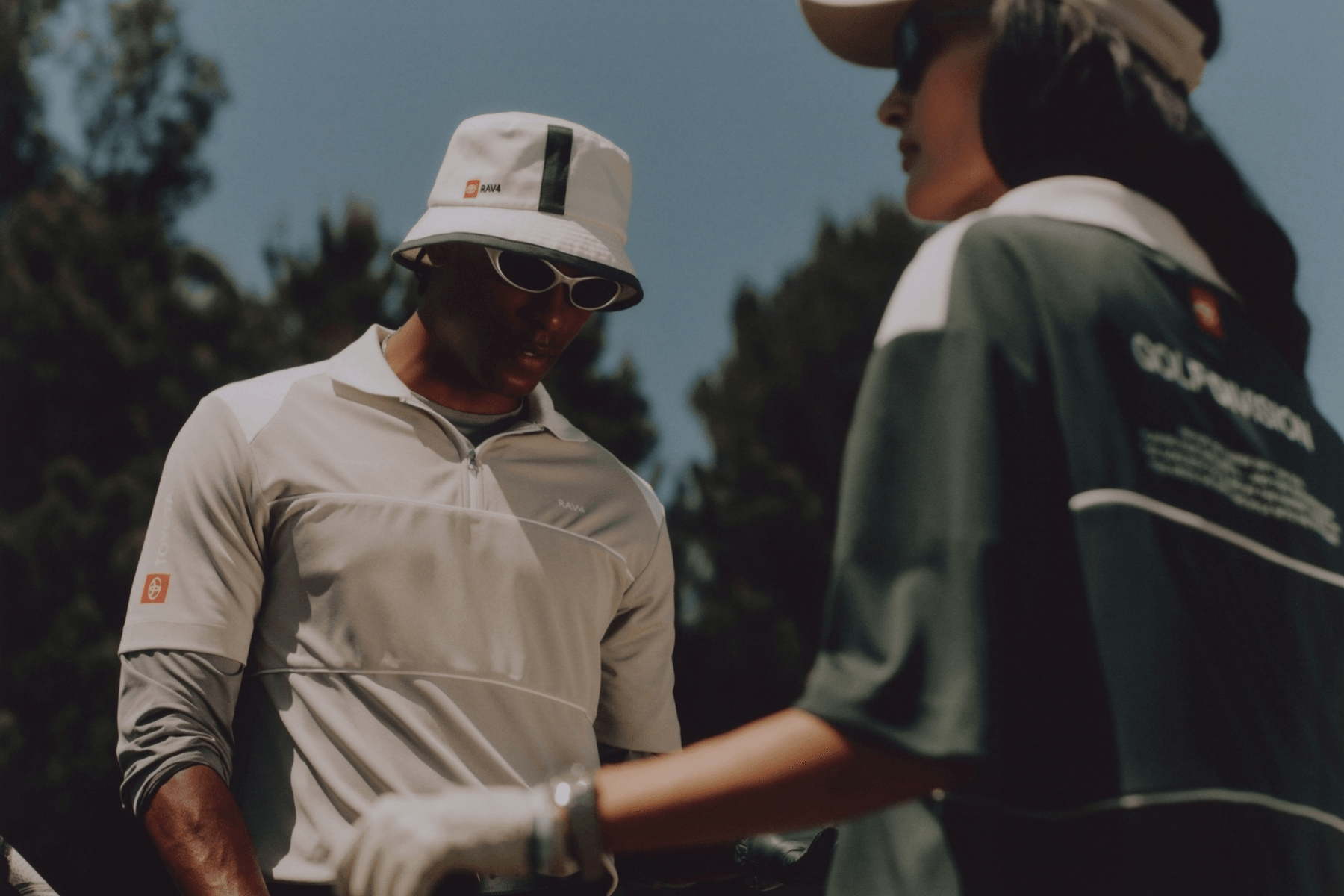
Its latest collaboration with Toyota captures that approach well. On the surface, it’s another capsule collection inspired by the new RAV4, blending golf apparel with outdoor influences like rugby shirts, lightweight outerwear and relaxed silhouettes, but reducing the project to another branded clothing drop misses what Hypegolf is actually building.
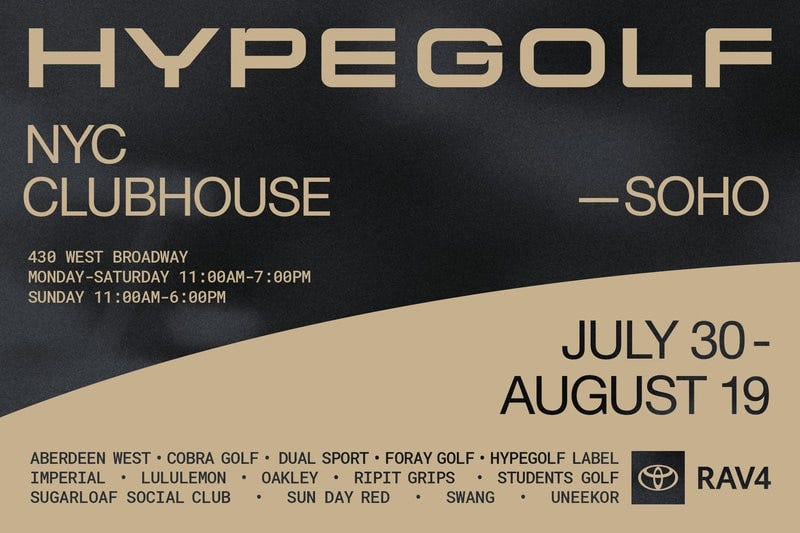
The collection isn’t designed to exist just in product; it also sits inside the Hypegolf Clubhouse in New York, a month-long physical space where people can test equipment, re-grip clubs, use simulator bays, discover emerging brands, attend community events and shop exclusive products. The clothes become part of a wider experience, while the experience strengthens the editorial voice that introduced many people to Hypegolf in the first place. That’s the part I find most interesting.
Traditional publishers often treat editorial, commerce and events as separate revenue streams that happen to sit under the same company, while Hypegolf has built an ecosystem where every part strengthens the others. The articles establish authority, the products give readers something tangible to buy into, the events turn an audience into a community and the partnerships fund experiences that generate more stories worth telling. Everything feeds everything else.
That’s a much stronger position than relying on display advertising or sponsored articles alone, because every new project reinforces the Hypegolf brand. Plenty of publishers have expanded into commerce over the past decade, but many of those businesses still feel like media companies searching for additional revenue. Hypegolf feels like one brand expressed through different formats.
Toyota benefits from that difference as well. Launching a capsule collection with Hypegolf isn’t just a case of borrowing Hypegolf’s audience for a campaign; it’s inserting itself into an environment where golfers choose to spend their time, whether that’s reading stories, visiting the Clubhouse or wearing the collection itself.
Golf has changed enough over the past decade that this approach should be considered the approach, because the culture has expanded far beyond the country club, and media businesses that still behave as though the article is the finished product risk falling behind. I’d also argue that this should be looked at beyond media businesses; even country clubs and other courses should be looking at themselves as media companies along with their core business, if they want to keep attracting younger and future generations. Equipment companies have already adopted this thinking, and everyone who isn’t already should seriously think about it.
I don’t think Hypegolf is successful just because it understands youth culture and fashion. But what separates it is how well it recognises that credibility built through editorial gives people a reason to trust the products; the products create reasons to visit physical spaces, and those spaces create experiences that deepen the relationship with both readers and commercial partners.
You can see similar thinking elsewhere in sport, although very few businesses execute it this cohesively. The strongest sports brands increasingly create worlds that people want to participate in rather than just consume, because participation builds loyalty in a way impressions never could. Hypegolf hasn’t abandoned journalism to achieve that; it has expanded what journalism can support.
I suspect that’s the lesson many sports publishers will eventually arrive at. Audiences still value great reporting, thoughtful photography and strong storytelling, but those things have become the foundations of a modern media business rather than the finished product.
Hypegolf has built a place within the culture of golf, and that’s a very difficult position for competitors to replicate if they’re only focused on well-written articles.
Thanks for reading. If you hit the like button, you’ll be doing me a huge favour.
David Skilling: follow on Instagram