LIV Golf’s Reality Check Signals a New Phase for Golf
As new funding questions surface, LIV’s model is shifting from disruption to proof
Contact here for Advertising & Partnerships // Support the newsletter here.
Written by David Skilling
LIV Golf is actively seeking new investors as questions grow around the long-term role of Saudi Arabia’s Public Investment Fund in sustaining the league.
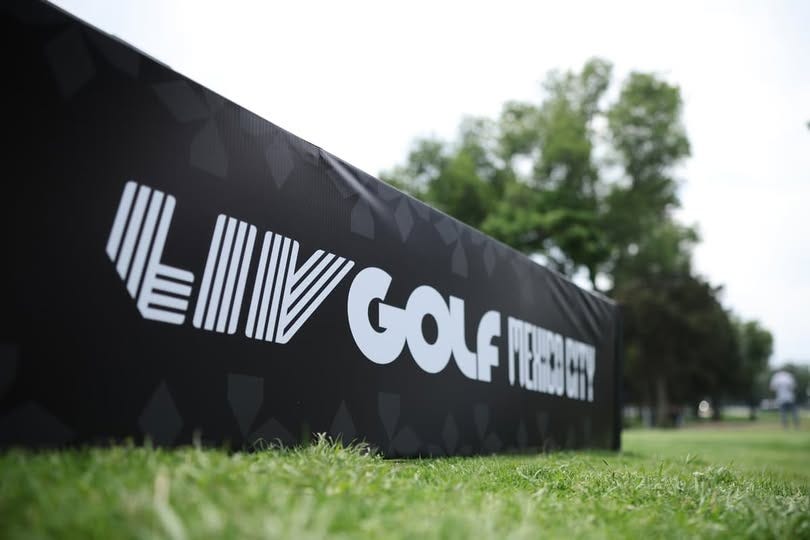
LIV Golf’s CEO, Scott O’Neil’s comments during LIV’s Mexico City event didn’t deny the pressure, and they didn’t need to, because the language shifted from inevitability to process, with references to private equity norms, funding cycles, and the expectation that raising capital is part of building any long-term enterprise.
Until now, LIV has operated outside of those constraints, backed by a sovereign fund willing to absorb losses in exchange for speed, visibility, and leverage across the wider golf ecosystem, but that’s likely to change soon.
The numbers give context to that shift, because the Public Investment Fund is projected to have spent more than $6 billion on LIV since its 2022 launch, while O’Neil pointed to nearly $500 million in sponsorship revenue across league and team deals in 2025, including brands like Rolex, HSBC, Salesforce, and Aramco.
That gap between capital deployed and revenue generated isn’t unusual for an emerging sports league, but it becomes more visible when the funding source signals that future backing may not be open-ended.
The early assumption, from some, that LIV could outspend the PGA Tour into irrelevance always ignored how deeply embedded the Tour’s structure is in the sport’s culture. LIV changed the economics quickly, but it hasn’t replaced the ecosystem that makes golf feel coherent to players and fans over a full season.
What LIV has done, however, is shift the baseline for what elite players expect to earn and how they think about control, and that doesn’t reverse even if funding tightens, because the leverage created over the past three years is already embedded in contract negotiations, appearance fees, and the broader conversation around player value. You can see it in how the PGA Tour responded with its own structural changes, including equity-style incentives and increased purses.
O’Neil’s emphasis on franchise valuations points to the next phase, as LIV’s long-term model relies on team equity becoming the primary source of returns, with ambitions to build 13 teams valued at $1 billion each. That approach borrows from established US sports leagues, but it also raises a fundamental question: whether golf, traditionally an individual sport with loosely connected events, can sustain a franchise model that feels meaningful beyond the initial novelty.
The early steps towards minority stake sales, supported by advisers like Citigroup and targeting private equity and family office capital, suggest LIV is testing whether external investors believe in that vision enough to commit real money. That test matters more than any public statement, because it moves LIV from a funded experiment into a market-validated business, and the outcome will shape how seriously the model is taken across the industry.
The wider consequence for golf is that the sport no longer has the option of returning to a single, uncontested structure, because the economic expectations, player behaviours, and fan awareness shaped by LIV have already altered the landscape. Even if the league evolves, scales differently, or brings in new ownership structures, the pressure it created on prize money, player autonomy, and global expansion remains in place.
Golf now sits in a more complex position than it did before 2022, because it’s balancing heritage with commercial acceleration, individual identity with team structures, and established tours with emerging formats that are still proving themselves. LIV’s search for new investors doesn’t resolve that complexity, but it does make the next phase more honest, because it moves the conversation from whether disruption can be funded to whether it can be sustained, and that’s the question that will define where golf goes next.
Thanks for reading. If you hit the like button, you’ll be doing me a huge favour.


